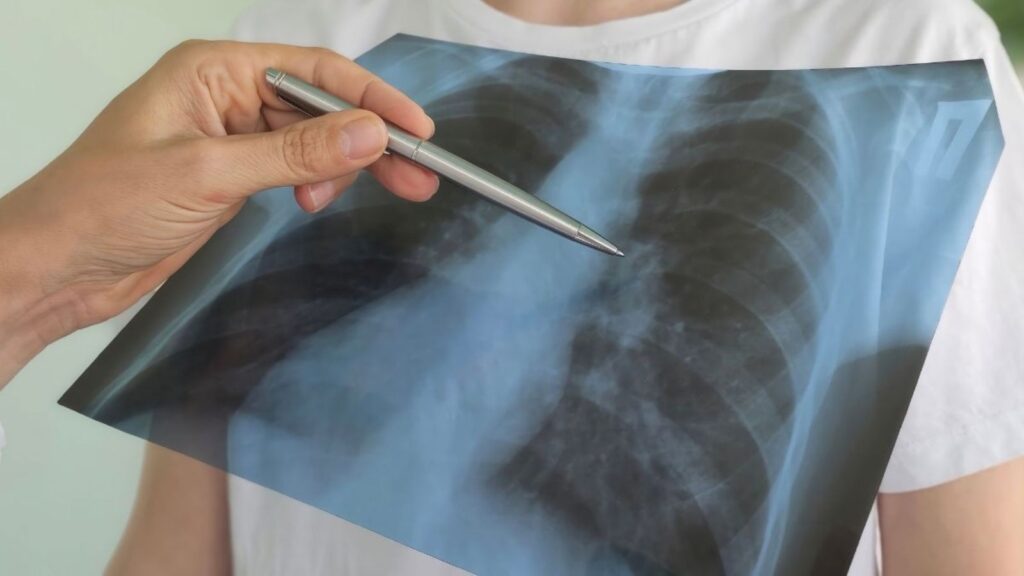
A cough that worsens instead of improving may be more than a lingering cold. The signs of pneumonia, including shortness of breath, chest discomfort, fever, and chills, can indicate a more serious respiratory infection. Severe bronchitis can cause similar symptoms, making it important to recognize when an illness needs medical attention.
For Omaha-area residents, knowing how these conditions differ and when to seek care can help prevent delays in evaluation and treatment.
When a Cold Stops Following a Typical Recovery Pattern
A cold usually improves gradually, although congestion and coughing may linger. The pattern of recovery can offer useful clues when symptoms change.
- A lingering cough while other symptoms improve: Airway irritation may remain after the initial infection.
- Fever that returns after improvement: A complication or new infection may have developed.
- New chest discomfort or breathlessness: These symptoms may indicate a more serious respiratory problem.
- Increasing weakness: Worsening fatigue alongside other symptoms warrants medical assessment.
The timing of these changes matters. A cough that gradually improves is different from one accompanied by returning fever or new breathing difficulties. These patterns cannot confirm a diagnosis, but they can help determine whether further evaluation is appropriate.
Recognizing the Signs of Pneumonia
Pneumonia is an infection that affects the lungs and can interfere with oxygen exchange. It may be caused by bacteria, viruses, or other organisms, and symptoms range from mild to severe.
Symptoms That Deserve Attention
- Shortness of breath: Difficulty breathing during ordinary activities or at rest.
- Chest pain: Discomfort that worsens when taking a deep breath or coughing.
- Fever and chills: These may occur, although fever is not always present.
- Persistent cough: The cough may produce mucus or remain dry.
- Unusual fatigue: Weakness that makes routine tasks difficult.
- Confusion: New confusion or reduced alertness, particularly in older adults.
Pneumonia does not always cause a high fever or colored mucus. Mucus color alone cannot reliably distinguish viral from bacterial infections. Older adults may experience less typical symptoms, so the absence of a high fever does not rule out pneumonia.
The combination of symptoms is more informative than any single sign. For example, a persistent cough accompanied by increasing breathlessness deserves more attention than a cough that is steadily improving without other concerning symptoms.
How Severe Bronchitis Differs From Pneumonia
Acute bronchitis involves inflammation of the airways and often follows a respiratory infection. It can cause a persistent cough, mucus production, and soreness from repeated coughing. Pneumonia affects the lung tissue itself.
| Symptom | Acute Bronchitis | Possible Pneumonia |
|---|---|---|
| Cough | Often the main symptom | Common, with or without mucus |
| Chest Discomfort | May result from repeated coughing | May worsen with deep breathing or coughing |
| Fever | May be absent or mild | May include fever and chills |
| Breathing | Coughing may cause discomfort | Shortness of breath may be prominent |
| Typical Course | Often improves within three weeks | May worsen or require specific treatment |
Symptoms overlap, so a cough alone cannot distinguish the conditions. A clinician may ask when symptoms began, whether they have changed, and whether the person has underlying health conditions. The evaluation may also include listening to the lungs, checking vital signs and oxygen levels, and deciding whether a chest X-ray or other testing is appropriate.
Most acute bronchitis cases are viral and do not require antibiotics. Pneumonia treatment depends on its cause and severity. Bacterial pneumonia may require antibiotics, while antibiotics do not treat viral infections. Taking antibiotics unnecessarily can cause side effects and contribute to antibiotic resistance.
Preparing for a Medical Evaluation
A clear symptom timeline helps a healthcare professional assess a respiratory illness. Be ready to explain:
- Symptom changes: When the illness began and whether symptoms improved before returning.
- Temperature and breathing: Any fever, breathlessness, or chest discomfort.
- Medications: Prescription and over-the-counter products taken.
- Medical history: Chronic heart or lung conditions and other relevant health concerns.
These details help the clinician assess the likely cause and decide whether additional testing is needed. A chest X-ray is not necessary for every cough; the decision depends on the symptoms and examination findings.
For mild symptoms that are improving and have no warning signs, rest, fluids, avoiding respiratory irritants, and using over-the-counter medicines as directed may help. Do not take leftover antibiotics or use antibiotics without medical advice.
People with chronic heart or lung conditions or weakened immune systems may need earlier assessment because respiratory infections can become serious. Older adults may also need prompt evaluation when they develop unusual weakness, reduced alertness, or other changes that are not typical for them.
When to Seek Medical Care
Consider medical evaluation when a cough worsens after initial improvement, a fever returns, or breathing becomes more difficult. A persistent cough lasting more than three weeks also warrants assessment, particularly if it is not improving.
Seek emergency care for:
- Severe difficulty breathing
- Persistent chest pain or pressure
- Blue or gray lips
- New confusion or difficulty staying awake
Call 911 for these emergency symptoms rather than traveling to an urgent care clinic. For concerning symptoms that are not immediately life-threatening, contact a healthcare professional or an appropriate urgent care clinic.
For Omaha-area residents, Urgent Care Omaha may be an option for respiratory symptoms that need timely assessment but are not emergencies. Contact the clinic to confirm service availability and whether an urgent care visit is appropriate.
Frequently Asked Questions
Can pneumonia develop after a common cold?
Yes. Pneumonia can develop as a complication of a respiratory infection or result from a separate infection. Worsening symptoms after initial improvement deserve attention, particularly when breathing becomes difficult.
Can bronchitis turn into pneumonia?
Bronchitis does not inevitably progress to pneumonia. However, new breathlessness, fever, or worsening symptoms may indicate pneumonia or another complication that needs assessment.
Does a chest X-ray always need to be taken?
No. A clinician determines whether imaging is appropriate based on symptoms and examination findings. A chest X-ray may help identify changes in the lungs when pneumonia is suspected.
How is pneumonia treated?
Treatment depends on the cause and severity. Bacterial pneumonia may require antibiotics, while viral pneumonia may need supportive care or specific antiviral treatment in selected cases. More serious cases may require hospital care.
When does pneumonia require hospital care?
Hospital treatment may be necessary for significantly low oxygen levels, severe breathing difficulties, confusion, or other signs of serious illness. A clinician determines the appropriate level of care.
Our Urgent Care Walk-In Clinics in Omaha, Bennington, West Omaha, Rockbrook, Crossroads & Bellevue, NE
Our staff works to provide prompt, personal, and professional care for all of our patients. We strive to provide the attention patients need in as quick a time as possible. Urgent Care Clinics in Omaha & Bellevue, Nebraska, has three locations in the Omaha metropolitan area. Our three walk-in clinics are:
- Rockbrook Urgent Care
- Crossroads Urgent Care
- Bellevue Urgent Care
- West Omaha Urgent Care
- Bennington Urgent Care
Disclaimer
The information contained on this webpage is for educational purposes as well as to provide general information and a general understanding of the pertinent medical issue, only, not to provide a specific diagnosis. This information is not intended to be a substitute for professional medical advice. By using this blog/website, you understand there is no doctor-patient relationship between you and the blog/website publisher. The information included on this site should not be used as a substitute for medical advice from a licensed medical professional in your state. Neither Urgent Care Network, its subsidiaries, affiliates, assignees, or successors in interest, nor any other party assumes liability for loss or damage due to reliance on the content of this blog/website. If you are experiencing a severe medical issue, you should seek emergency assistance immediately.