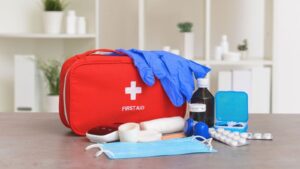
A well-prepared first-aid kit for Omaha families is essential for handling common injuries and minor health issues at home or on the go. Stocking supplies for cuts, burns, sprains, allergic reactions, and basic illnesses allows families to respond quickly when unexpected situations arise.
When building a kit, consider where it will be stored, the ages and medical needs of household members, and local environmental factors that may increase certain risks.
This guide outlines essential first-aid kit items, seasonal considerations specific to Omaha, and practical tips to help families stay prepared year-round.
Essential First-Aid Kit Items for Omaha Families
A first-aid kit for Omaha families should address minor injuries and common illnesses. The sections below outline core supplies for wound care, medications, and emergency preparedness.
Wound Cleaning and Care Supplies
Basic wound care supplies help reduce infection risk and manage minor injuries safely at home.
- Sterile saline or wound wash to rinse debris and reduce infection risk (single-use ampules or small spray bottle).
- Sterile alcohol pads for instruments or minor cleaning (avoid deep wounds).
- Disposable gloves (nitrile or latex-free) for caregiver and patient protection.
- Sterile cotton balls and gauze squares (4×4 inches).
- Antiseptic wipes with chlorhexidine or povidone-iodine.
- Blunt-tip scissors for cutting tape or clothing.
- Tweezers to remove splinters or glass.
- Small flashlight with extra batteries for inspecting wounds in low light.
Bandages and Dressings
Including a variety of bandages ensures readiness for different injury types.
- Adhesive bandages in multiple sizes (flexible fabric, waterproof, fingertip).
- Sterile gauze pads (2×2 and 4×4 inches) and conforming gauze rolls for larger wounds.
- Adhesive tape (medical or hypoallergenic) to secure dressings.
- Elastic bandages (ACE wraps) for sprains and support.
- Sterile adhesive wound closures (butterfly strips) for small cuts.
- Trauma dressing or a large absorbent pad for heavy bleeding.
- Triangular bandage for making slings.
- Compact pressure bandage or hemostatic dressing for emergencies.
Medications and Antiseptics
A first-aid kit for Omaha families should include commonly used over-the-counter medications, clearly labeled and safely stored.
- Over-the-counter pain relievers (acetaminophen, ibuprofen) with clear dosing for adults and children.
- Separate marked packets for child doses.
- Antihistamine tablets (diphenhydramine) and oral antihistamines for mild allergic reactions.
- Topical antibiotic ointment (bacitracin or polysporin) for cuts and burns.
- Burn gel packets for minor thermal or sunburn injuries.
- Antacids, anti-diarrheal tablets, and oral rehydration salts for stomach issues or dehydration.
- Prescribed emergency medications (epinephrine auto-injector, inhaler) with expiration checks.
- Small thermometer for monitoring fever or swelling.
- Cold packs for swelling or injury relief.
Check expiration dates regularly and replace medications as needed.
Emergency Contact Information
Every first-aid kit should include up-to-date medical and contact details.
- Printed emergency contact numbers (911, Poison Control, local hospitals)
- Medical information for each family member, including allergies and chronic conditions
- Primary care provider contact details
- Care instructions for infants, seniors, or medically complex family members
Keeping both printed and digital copies helps ensure access during power outages or emergencies.
Seasonal and Regional Considerations for Omaha Residents
Omaha families should plan for spring and summer allergies, cold winter hazards, and fast-moving storms. Add specific items for each season to complement the core first-aid kit.
Allergy Relief Essentials
Spring and summer pollen levels in Omaha can trigger allergies and asthma symptoms.
- Non-drowsy antihistamines
- Saline nasal spray and lubricating eye drops
- Clearly labeled allergy action plan
- Epinephrine auto-injector for severe allergies, if prescribed
Cold Weather Preparedness Items
Winter conditions can bring icy roads, power outages, and cold exposure.
- Thermal emergency blankets
- Hand warmers
- Extra bandages and blister care supplies
- Flashlight and battery-powered radio
- Insulated pouch for medications
Tornado and Severe Weather Supplies
Severe storms and tornadoes are a reality in Nebraska.
- Protective eyewear or goggles
- Sturdy gloves and whistle
- Waterproof storage for IDs and insurance information
- Portable phone charger or battery bank
- Basic first-aid reference guide
Frequently Asked Questions About First-Aid Kits
What should every family first-aid kit include?
A basic first-aid kit should include bandages, gauze, antiseptic wipes, pain relievers, gloves, a thermometer, and emergency contact information. Families should also include any prescribed emergency medications specific to household members.
How often should a first-aid kit be checked or updated?
First-aid kits should be reviewed at least twice a year. Check expiration dates on medications, replace used supplies, and update medical or emergency contact information as needed.
When should I go to urgent care instead of using a first-aid kit?
You should visit urgent care if symptoms worsen, pain or swelling increases, or an injury may require medical evaluation such as stitches, X-rays, treatment for infection, or allergy care.
When should I go to the emergency room instead of urgent care?
Go to the emergency room for life-threatening conditions such as severe bleeding, chest pain, difficulty breathing, head injuries with loss of consciousness, or signs of stroke. Urgent care is for non-life-threatening medical issues.
What seasonal items should Omaha families add to a first-aid kit?
Omaha families should include allergy medications in spring and summer, cold-weather protection items in winter, and storm-related supplies due to Nebraska’s severe weather patterns.
Our Urgent Care Walk-In Clinics in Omaha, Bennington, West Omaha, Rockbrook, Crossroads & Bellevue, NE
Our staff works to provide prompt, personal, and professional care for all of our patients. We strive to provide the attention patients need in as quick a time as possible. Urgent Care Clinics in Omaha & Bellevue, Nebraska, has three locations in the Omaha metropolitan area. Our three walk-in clinics are:
- Rockbrook Urgent Care
- Crossroads Urgent Care
- Bellevue Urgent Care
- West Omaha Urgent Care
- Bennington Urgent Care
Disclaimer
The information contained on this webpage is for educational purposes as well as to provide general information and a general understanding of the pertinent medical issue, only, not to provide a specific diagnosis. This information is not intended to be a substitute for professional medical advice. By using this blog/website, you understand there is no doctor-patient relationship between you and the blog/website publisher. The information included on this site should not be used as a substitute for medical advice from a licensed medical professional in your state. Neither Urgent Care Network, its subsidiaries, affiliates, assignees, or successors in interest, nor any other party assumes liability for loss or damage due to reliance on the content of this blog/website. If you are experiencing a severe medical issue, you should seek emergency assistance immediately.