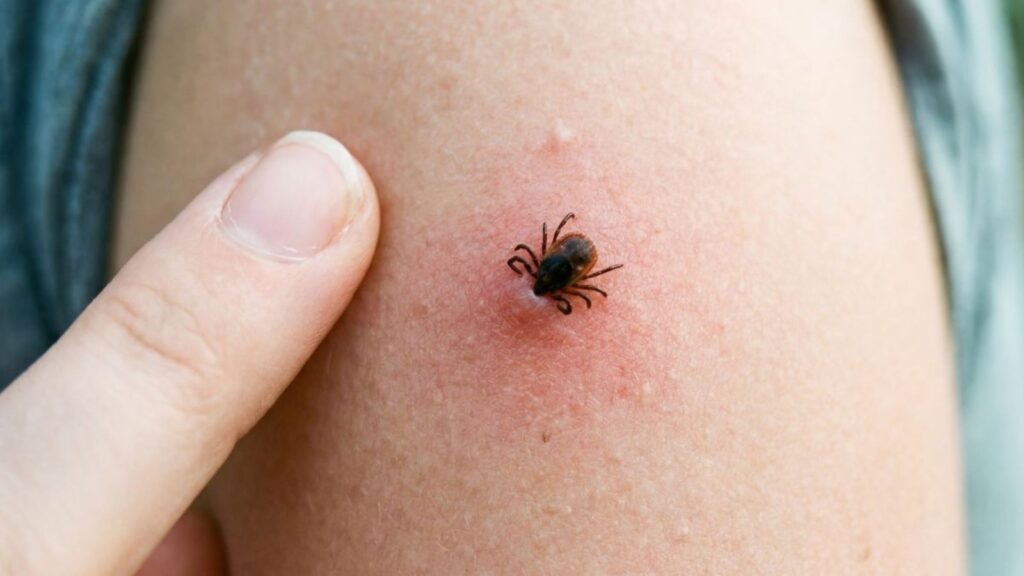
Lyme disease can be difficult to recognize at first because early symptoms often resemble everyday illnesses rather than a tick-borne infection. That delay in recognition is one of the reasons patients often seek care only after symptoms have already progressed.
A recent WOWT report noted that emergency room visits for tick bites in the region are at their highest levels since 2017, according to CDC tracking data. As outdoor activity increases across Omaha and nearby Nebraska communities, more patients are being evaluated for symptoms that may appear days or weeks after a tick exposure.
Why Early Signs of Lyme Disease are Often Missed
One of the most challenging aspects of Lyme disease is that early signs are not always obvious or consistent. Many people do not recall a tick bite at all, which makes connecting symptoms to the cause more difficult.
Instead of a single clear warning sign, early Lyme disease may present as a combination of mild, shifting symptoms that can resemble viral infections or seasonal fatigue. This overlap is what often delays medical evaluation.
Symptoms That Are Frequently Overlooked
Rather than appearing suddenly, early symptoms may build gradually over time. People often dismiss them as unrelated health issues.
Common early indicators include:
- Persistent tiredness that does not improve with rest
- Mild fever that comes and goes
- Head pressure or recurring headaches
- Achy joints or stiffness without injury
- Sensitivity or discomfort that seems flu-like
- General decline in energy or focus
Because these symptoms are nonspecific, they are often not immediately linked to a tick exposure.
Skin Reactions Don’t Always Follow a Pattern
A rash is commonly associated with Lyme disease, but it does not appear in every case, and when it does, it can vary in appearance.
Some individuals may notice:
- Expanding redness near a bite site
- A circular rash that may resemble a ring pattern
- Warm or irritated skin that changes over time
- No visible rash at all despite other symptoms
This variability is one reason clinical evaluation is important when symptoms develop after exposure.
When Symptoms Suggest More Than a Minor Illness
The timing of symptom onset can be a key clue. Lyme disease symptoms may appear anywhere from a few days to several weeks after a bite, which often leads to confusion about the cause.
Concern increases when symptoms:
- Appear after recent outdoor activity in grassy or wooded areas
- Continue without improvement over several days
- Involve multiple body systems (fatigue, aches plus fever)
- Do not match typical seasonal allergies or short-term illness
At that point, a medical evaluation becomes important to rule out tick-borne infection.
Where Urgent Care Fits in the Decision
Many patients are unsure where to go when symptoms first appear. In most early cases, urgent care is the appropriate setting for evaluation rather than emergency care.
An Omaha urgent care visit can help:
- Assess whether symptoms align with tick exposure
- Evaluate the bite area if present
- Determine whether testing or treatment is needed
- Guide monitoring symptom progression
This allows patients to receive timely evaluation without waiting for symptoms to worsen.
When Emergency Care Is Not the Right Setting
Lyme disease in its early stages is rarely an emergency condition. The emergency room is typically only necessary if symptoms become severe or involve urgent neurological or systemic complications.
For early or moderate symptoms, urgent care provides a more appropriate level of assessment and treatment planning.
A Practical Way to Think About Risk
Rather than focusing only on whether a tick bite was noticed, it is more useful to consider symptom patterns over time.
Any combination of fatigue, fever, aches, and exposure history may warrant evaluation, even if the bite itself seemed minor or was never observed.
Visit Omaha Urgent Care for Evaluation
If early symptoms of Lyme disease are suspected after outdoor exposure, Omaha Urgent Care can provide timely evaluation and guidance on next steps. Early assessment helps clarify whether symptoms require treatment or continued observation.
Our Urgent Care Walk-In Clinics in Omaha, Bennington, West Omaha, Rockbrook, Crossroads & Bellevue, NE
Our staff works to provide prompt, personal, and professional care for all of our patients. We strive to provide the attention patients need in as quick a time as possible. Urgent Care Clinics in Omaha & Bellevue, Nebraska, has three locations in the Omaha metropolitan area. Our three walk-in clinics are:
- Rockbrook Urgent Care
- Crossroads Urgent Care
- Bellevue Urgent Care
- West Omaha Urgent Care
- Bennington Urgent Care
Disclaimer
The information contained on this webpage is for educational purposes as well as to provide general information and a general understanding of the pertinent medical issue, only, not to provide a specific diagnosis. This information is not intended to be a substitute for professional medical advice. By using this blog/website, you understand there is no doctor-patient relationship between you and the blog/website publisher. The information included on this site should not be used as a substitute for medical advice from a licensed medical professional in your state. Neither Urgent Care Network, its subsidiaries, affiliates, assignees, or successors in interest, nor any other party assumes liability for loss or damage due to reliance on the content of this blog/website. If you are experiencing a severe medical issue, you should seek emergency assistance immediately.