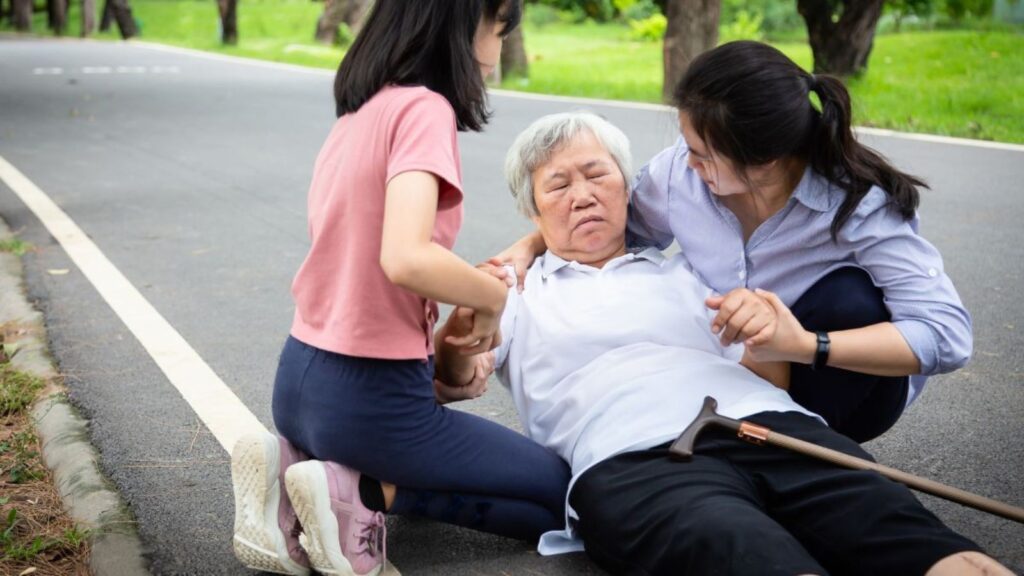
When someone starts feeling weak, dizzy, or confused in the heat, the difference between heat exhaustion and heat stroke determines whether you need to find shade and water or call 911. Both conditions are serious but heat stroke is a life-threatening emergency that can cause permanent organ damage within minutes of onset. Knowing the signs of each and when to act could save a life.
Understanding Heat Exhaustion and Heat Stroke
Heat exhaustion and heat stroke exist on a spectrum of heat-related conditions. Heat exhaustion is less severe but can progress if not addressed quickly. Heat stroke is a medical emergency that requires immediate care.
The body regulates temperature through sweating and circulation. When exposed to extreme heat, especially with dehydration, this system becomes overwhelmed. As a result, heat exhaustion and heat stroke may develop depending on the level of strain placed on the body.
Heat Exhaustion vs. Heat Stroke: Key Differences
| Condition | Core Temperature | Mental State | Severity Level |
|---|---|---|---|
| Heat Exhaustion | Elevated | Fatigue or dizziness | Moderate |
| Heat Stroke | Very high | Confusion or unconsciousness | Severe |
These differences highlight the importance of early recognition. Without timely action, heat exhaustion may escalate into heat stroke, increasing health risks significantly.
Signs and Symptoms to Watch For
Recognizing symptoms early is important in preventing complications. Heat exhaustion often presents warning signs that indicate the body is under stress but still functioning.
Common Symptoms of Heat Exhaustion
- Weakness or fatigue
- Nausea or vomiting
- Headache
- Dizziness or fainting
- Muscle cramps, particularly in the legs and abdomen
- Pale, cool, or clammy skin
These symptoms signal the need for cooling and hydration. When ignored, the condition may worsen and contribute to heat exhaustion vs. heat stroke, where severity increases rapidly.
Heat stroke presents more dangerous symptoms. The body loses its ability to cool itself, and internal temperature rises quickly.
Severe Warning Signs of Heat Stroke
- Hot, dry skin or absence of sweating
- Rapid, strong pulse
- Confusion or altered mental state
- Seizures or unconsciousness
At this stage, heat exhaustion and heat stroke represent a life-threatening situation. Immediate medical care is required to prevent serious complications.
Risk Factors and Environmental Triggers
Some conditions increase the risk of heat-related illness. High humidity, direct sun exposure, and poor airflow can intensify the body’s heat burden.
Physical exertion in hot weather is another major factor. Activities such as outdoor labor, sports, or extended exposure without rest can accelerate dehydration. These situations raise the risk of heat exhaustion and heat stroke, especially when fluid intake is inadequate.
High Risk Groups
- Older adults
- Young children
- Individuals with chronic illnesses
- Outdoor workers and athletes
Medications and underlying conditions may also affect how the body responds to heat. Reduced ability to regulate temperature increases vulnerability to heat exhaustion and heat stroke, particularly during prolonged exposure.
Urban environments can also contribute to risk. Areas with little shade and lots of concrete trap heat, raising the risk of heat-related illness.
When to Seek Care and Immediate Response
Prompt action helps prevent escalation and improves outcomes. For heat exhaustion, moving to a cooler area and restoring hydration often helps stabilize the body.
Initial response steps include:
- Resting in a shaded or air-conditioned space
- Drinking water or electrolyte fluids
- Loosening tight clothing
- Applying cool compresses
These measures support recovery and reduce the likelihood of progression to heat exhaustion and heat stroke. For heat exhaustion, if symptoms do not improve within 30 to 60 minutes of moving to a cool area, resting, and hydrating, seek medical evaluation. Do not wait longer than that.
Do NOT give fluids to anyone who is confused, disoriented, or unconscious. There is a serious risk of aspiration. Wait for emergency services to arrive.
Heat stroke requires urgent medical attention. Delayed care can lead to complications affecting vital organs.
Emergency Indicators of Heat Stroke
- Body temperature above 40°C
- Loss of consciousness
- Persistent confusion
- Lack of sweating despite heat
- Slurred Speech or difficulty communicating
In such cases, emergency services should be contacted immediately. While waiting for assistance, rapid cooling methods such as ice packs or cool water immersion may help.
Knowing when to act is important. The shift from heat exhaustion to heat stroke can happen quickly, so recognizing the signs early helps prevent serious complications.
Preventive Measures for Safer Heat Exposure
Prevention begins with awareness and preparation. Simple adjustments in daily routines can reduce exposure and protect overall health.
Hydration remains one of the most effective strategies. Regular fluid intake supports the body’s cooling system and helps maintain stable temperature levels. Proper hydration lowers the risk of heat exhaustion and heat stroke, especially during prolonged outdoor activity.
Clothing also plays a role. Lightweight, breathable fabrics improve air circulation and support heat dissipation. Avoiding peak heat hours and seeking shaded areas can further reduce exposure.
Practical Prevention Tips
- Schedule activities during cooler parts of the day
- Take frequent breaks in shaded spaces
- Use fans or air conditioning when available
- Monitor weather conditions and heat index levels
Following these steps can lower the risk of heat illness. As temperatures rise, staying aware and taking precautions is key to preventing heat exhaustion vs. heat stroke.
Frequently Asked Questions
What is the main difference between heat exhaustion and heat stroke?
Heat exhaustion is a moderate condition marked by heavy sweating, weakness, and dizziness. Heat stroke is more severe and involves a dangerously high body temperature and possible confusion or loss of consciousness.
How can heat exhaustion turn into heat stroke?
Heat exhaustion can progress if the body is not cooled and rehydrated in time. Continued heat exposure may overwhelm the body, leading to heat stroke.
What should be done first for heat exhaustion?
The first step is to move to a cooler place and rest. Drinking water and applying cool compresses can help lower body temperature.
When is heat stroke considered an emergency?
Heat stroke is an emergency when symptoms include confusion, fainting, or a body temperature above 40°C. Immediate medical care is required to prevent serious complications.
Who is most at risk for heat-related illnesses?
Older adults, young children, and people with chronic conditions face a higher risk. Outdoor workers and athletes are also more likely to develop heat-related illnesses.
Our Urgent Care Walk-In Clinics in Omaha, Bennington, West Omaha, Rockbrook, Crossroads & Bellevue, NE
Our staff works to provide prompt, personal, and professional care for all of our patients. We strive to provide the attention patients need in as quick a time as possible. Urgent Care Clinics in Omaha & Bellevue, Nebraska, has three locations in the Omaha metropolitan area. Our three walk-in clinics are:
- Rockbrook Urgent Care
- Crossroads Urgent Care
- Bellevue Urgent Care
- West Omaha Urgent Care
- Bennington Urgent Care
Disclaimer
The information contained on this webpage is for educational purposes as well as to provide general information and a general understanding of the pertinent medical issue, only, not to provide a specific diagnosis. This information is not intended to be a substitute for professional medical advice. By using this blog/website, you understand there is no doctor-patient relationship between you and the blog/website publisher. The information included on this site should not be used as a substitute for medical advice from a licensed medical professional in your state. Neither Urgent Care Network, its subsidiaries, affiliates, assignees, or successors in interest, nor any other party assumes liability for loss or damage due to reliance on the content of this blog/website. If you are experiencing a severe medical issue, you should seek emergency assistance immediately.